
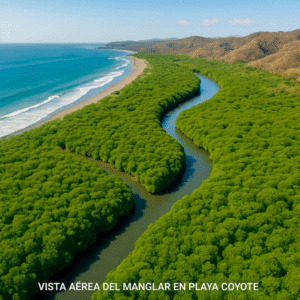
Located on the coast of Costa Rica, the Playa Coyote mangrove forest is a vibrant ecosystem that provides a vital refuge for a variety of flora and fauna. Known for its natural beauty and biodiversity, this place is a perfect destination for nature lovers and adventurers seeking a unique beach experience. With its wide range of species and breathtaking landscapes, Playa Coyote is not only a site of ecological interest, but also a place of inspiration and learning for all who visit. In this article, we will explore what makes the Playa Coyote mangrove forest so special and why you should consider it for your next beach adventure.
Mangroves are not only a visual spectacle, but also perform crucial ecological functions. When visiting the Playa Coyote mangrove, you will have the opportunity to enter a world where nature and the human environment coexist in a delicate balance. Visitors can enjoy the tranquility of the mangroves while learning about the importance of conservation and sustainability in this unique ecosystem. A visit to this mangrove is not only an educational experience, but also an opportunity to reflect on our role in protecting nature.
What is a mangrove?
Mangroves are coastal ecosystems found in tropical and subtropical regions. These ecosystems are made up of trees and shrubs that grow in saltwater or mixed sea and river water. Mangroves are essential to the health of the environment as they protect coastlines from erosion, act as a natural barrier against storms, and provide a crucial habitat for many species. In addition to their protective role, mangroves are carbon sinks, which means they store large amounts of carbon dioxide, thereby contributing to climate change mitigation.
Importance of Mangroves
Mangroves, such as those at Coyote Beach, are essential not only for wildlife but also for human communities. They provide resources such as wood, food, and medicine, becoming a source of livelihood for local communities. In addition, they play a crucial role in regulating the global climate by capturing and storing large amounts of carbon dioxide. This process helps reduce the greenhouse effect and promotes a more stable climate. The biodiversity harbored by mangroves is equally impressive, acting as breeding grounds for many fish species, which in turn sustains local fisheries.
The loss of mangroves due to urbanization and climate change poses a serious threat to biodiversity and coastal protection. Therefore, the conservation of these ecosystems is a global priority. International and local initiatives work tirelessly to protect and restore mangroves, ensuring that they continue to provide their essential benefits. Education and awareness about the importance of mangroves are vital to engaging communities and ensuring their long-term conservation.
The Flora of the Coyote Beach Mangrove Forest
Common Trees and Plants
The mangrove forest at Coyote Beach is home to a diverse range of plants adapted to living in saline conditions. Some of the most common species include:
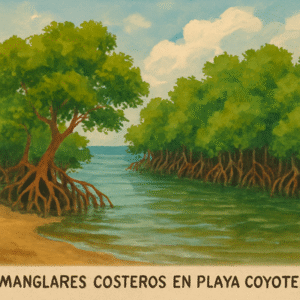
- Red mangle(Red mangrove):Known for its aerial roots that extend into the water, the red mangrove is crucial for the stability of the ecosystem. Its roots not only anchor the soil but also provide shelter for many aquatic species. Additionally, its fallen leaves enrich the soil with nutrients, supporting other organisms in the mangrove.
- White mangle(Laguncularia racemosa):This tree is known for its oval leaves and small flowers that attract various insect species. It attracts important pollinators to the ecosystem, ensuring the continuity of many plant and animal species. Its floating seeds facilitate its dispersal, ensuring its presence in new habitats.
- Black rust(Black mangrove):It is distinguished by its dark green leaves and its ability to tolerate high salt concentrations. This mangrove has a specialized root system that allows it to filter saltwater, a key adaptation for surviving in these hostile environments. Additionally, its shiny leaves reflect excess sunlight, helping to regulate its internal temperature.
Adaptations of Flora
Mangrove plants have developed unique adaptations to survive in challenging environments. Most have specialized roots for gas exchange in waterlogged soils and systems for excreting excess salt. These adaptations allow them to thrive in conditions that would be inhospitable to other plant species. In addition, many mangrove plants have the ability to float, allowing them to colonize new areas after storms or changes in water level.
The adaptations are not only physical, but also chemical. Some mangrove species can alter the composition of their sap to manage salt stress. Others have developed mechanisms to attract specific pollinating insects, thus ensuring their reproduction. These adaptations are a testament to the resilience of mangrove flora, which has evolved over millennia to face and overcome the challenges of its environment.
The Wildlife of the Coyote Beach Mangrove Forest
Birds
The mangrove is a paradise for birdwatchers. Some notable species include:
- Great Egret: These elegant birds are often seen lurking in search of fish and small crustaceans. Their graceful movements and pure white plumage make them easily recognizable. Additionally, the Great Egret plays an important role in controlling populations of small aquatic animals, maintaining balance in the ecosystem.
- Pelicans: They are often seen flying in formation, searching for fish in shallow waters. Pelicans are expert fishermen, using their large beaks to catch fish with precision. In addition, their presence indicates the health of the mangrove ecosystem, as they depend on an abundant fish population to survive.
Mammals
- Raccoons: With their distinctive facial mask, raccoons are common visitors to this ecosystem. These animals are omnivorous and adapt easily to different environments, allowing them to thrive in the mangrove swamp. Their natural curiosity leads them to constantly explore, searching for food and shelter.
- Capuchin monkeys: These intelligent primates can often be seen swinging through trees. Their social behavior and tool-using abilities make them fascinating to observe. Capuchins play a vital role in seed dispersal, contributing to the maintenance of mangrove biodiversity.
Reptiles and Amphibians
- Alligators: Although more difficult to spot, alligators are an essential part of the mangrove ecosystem. They act as apex predators, helping to control the populations of other species and maintain ecological balance. Their presence is an indicator of a healthy and well-balanced ecosystem.
- Tree frogs: Their vibrant colors and distinctive vocalizations are a delightful part of the nocturnal soundscape. These frogs are not only visually appealing but also play a crucial role in insect control, helping to keep mosquito and other insect populations in check.
Beach Activities and Exploration
Hiking and Nature Observation
Coyote Beach offers trails that wind through the mangrove forest, allowing visitors to experience this unique ecosystem up close. These trails are designed to minimize environmental impact while offering breathtaking views of the local flora and fauna. Bring binoculars to observe the rich birdlife and don't forget a camera to capture the stunning beauty of the place. Local guides are often available to share their knowledge about the ecosystem and its inhabitants, enriching your exploration experience.
Hiking in the mangrove forest is not only a recreational activity, but also an educational opportunity. As you walk along the trails, you can learn about the complex interactions between the species that inhabit the mangrove forest. Observing nature in this environment offers a glimpse of wildlife in its natural habitat, providing an authentic and memorable experience.
Kayaking in the Mangrove Swamp
Exploring the mangrove channels by kayak is an unforgettable experience. It allows you to venture into the heart of the mangrove forest, where you can observe wildlife from a different perspective. Kayaking offers an intimate connection with the environment, allowing you to experience the serenity and beauty of the mangrove swamp in a unique way. In addition, kayaking is a low-impact activity that helps preserve the tranquility of the ecosystem while you enjoy its wonders.
Kayaking also offers the opportunity to observe species that can be elusive from the shore. Alligators, water birds, and fish are easier to see from a kayak, providing a richer wildlife viewing experience. Plus, paddling through the mangrove channels is a great way to exercise while enjoying the natural beauty around you.
Tips for Exploration
- Respect the Environment: Keep a safe distance from wildlife and follow local regulations to protect this delicate ecosystem. Avoid leaving waste behind and follow the recommendations of local guides and experts to minimize your environmental impact. The conservation of the mangrove forest depends largely on the responsible behavior of visitors.
- Proper Gear: Wear light clothing and insect repellent to ensure a comfortable and safe experience. Bringing sunscreen and a hat will help protect you from the tropical sun. Also, consider bringing a reusable water bottle to stay hydrated during your adventure.
Conservation and Sustainability
The conservation of the Playa Coyote mangrove forest is vital to its future survival. Sustainability initiatives seek to preserve biodiversity and ensure that future generations can enjoy this unique ecosystem. These efforts include reforesting degraded areas, protecting endangered species, and educating the community about the importance of mangroves. Participating in responsible tourism activities helps support these efforts.
Community Participation
The local community plays a crucial role in mangrove conservation. Through education and active participation, sustainable practices are promoted that benefit both the environment and the local economy. Community initiatives include reforestation programs, beach cleanups, and educational workshops to raise awareness about the importance of mangroves. Collaboration between local communities, conservation organizations, and visitors is essential to the success of conservation efforts.
Supporting local businesses that practice ecotourism is also an effective way to contribute to conservation. By choosing tour operators and accommodations that prioritize sustainability, visitors can ensure that their spending directly benefits the community and the natural environment. This synergy between tourism and conservation creates a sustainable model that protects natural resources and supports local development.
Conclusion
The Playa Coyote mangrove forest is a natural treasure that provides a home to a rich variety of flora and fauna. Its unique characteristics and ecological importance make this place a must-see destination for nature lovers. When you visit, you will not only enjoy its beauty, but also contribute to its preservation. The experience of exploring this mangrove goes beyond simple observation; it is a call to action to protect and conserve these valuable ecosystems. So, what are you waiting for? Get ready for your next adventure at Playa Coyote and explore all that this wonderful mangrove has to offer!
By embarking on this adventure, you will be participating in a global movement to protect mangroves and their biodiversity. Visiting Coyote Beach not only enriches your knowledge and appreciation of nature, but also makes a difference in the preservation of these vital ecosystems. So, get ready for an experience that will not only leave you with unforgettable memories, but also a renewed commitment to the conservation of our planet.